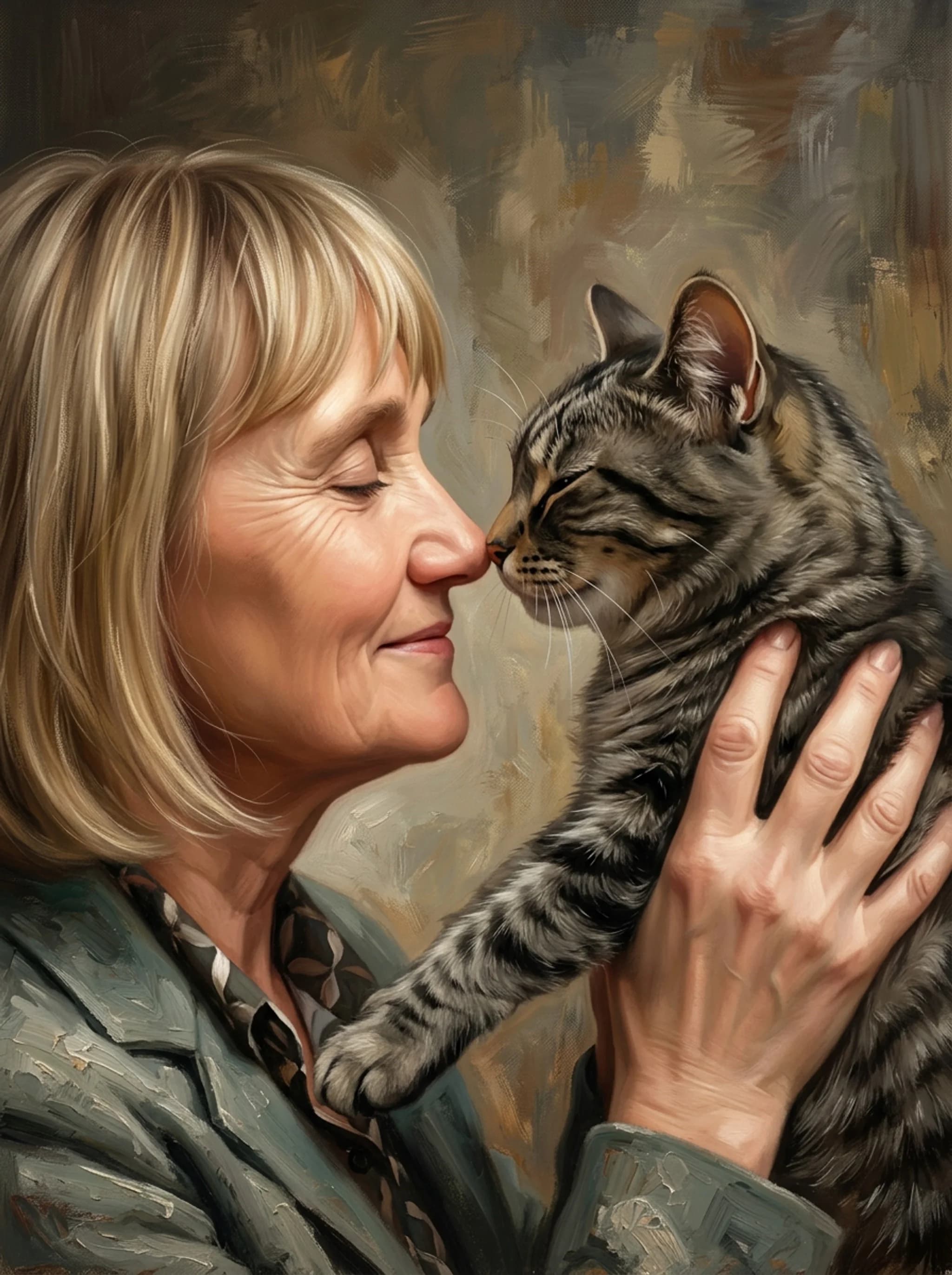
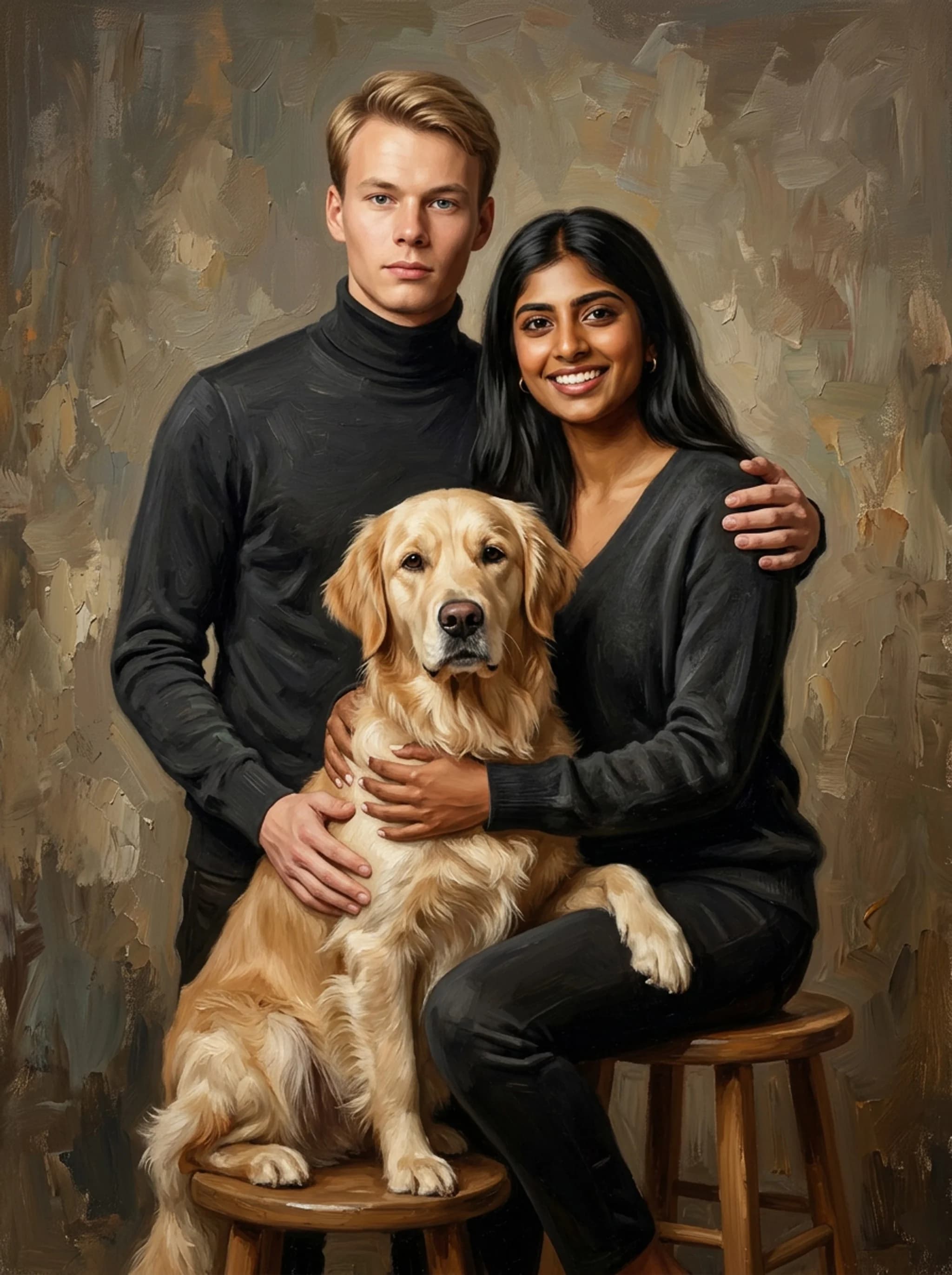
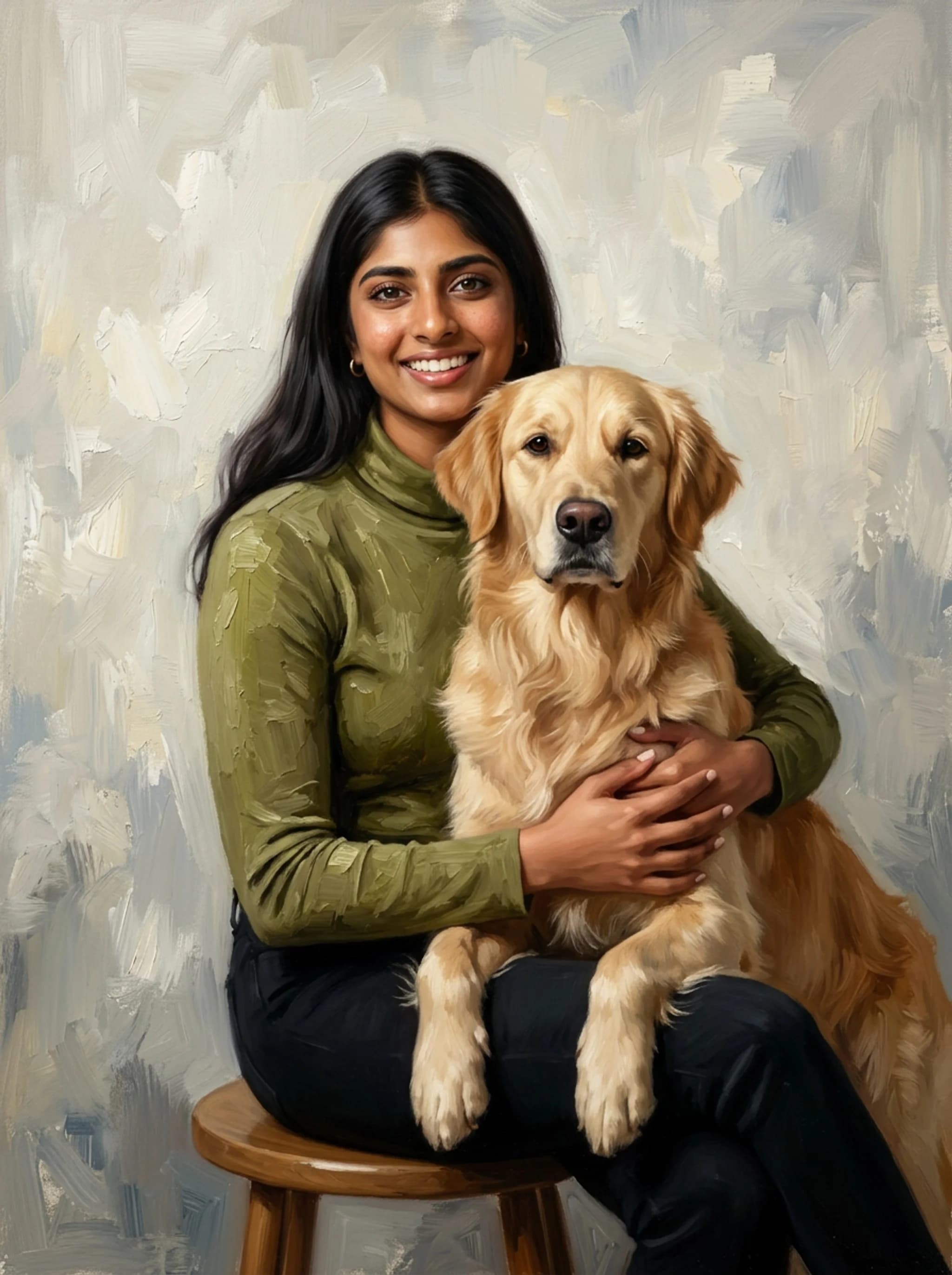
You're staring at a blank wall, dreaming of a unique tribute to your furry best friend, but the world of custom pet portraits on canvas feels overwhelming. How do you find a reputable artist, choose the right style, and ensure you get a quality piece that lasts? This guide cuts through the noise, offering clear, actionable advice and a curated look at top providers so you can commission a truly special artwork.
| Company | Starting Price (Canvas Print) | Art Style/Method | Customer Rating | Free Preview Available |
|---|---|---|---|---|
| getnobly.com | from $59 | AI oil painting (classical, photorealistic) | n/a | Yes (30 seconds) |
| PortraitFlip | from $89 | Hand-painted (oil, watercolor, charcoal, etc.) | 4.9/5 (TrustPilot) | n/a |
| Crown & Paw | from $39.95 | AI-assisted (costume themes, modern) | 4.8/5 (57k+ reviews) | No (proof after purchase) |
| Canvaspop | from $97.00 | Digital (modern, oil, charcoal styles) | 4.5/5 | Yes (digital proof in 48 hours) |
| Paint Your Life | from $195 (8"x10") | Hand-painted (oil, acrylic, watercolor, charcoal, pencil) | 4.5/5 | n/a |
| Pawprint Arts | from $59 | Hand-crafted (watercolor, geometric, pop-art, line art) | n/a | n/a |
| Etsy (various artists) | from $8 (digital file) to $82 (canvas) | Varies (digital, watercolor, oil, pencil, etc.) | Varies (many 4+ stars) | Varies |
This table compares various companies offering custom pet portraits on canvas, focusing on pricing, artistic method, customer ratings, and the availability of a free preview; web-verified via getnobly.com, dogart.ai, crownandpaw.com.
Sources: getnobly.com · dogart.ai · crownandpaw.com · perkieprints.com · crownandcanvas.us
Finding the Right Artist: More Than Just a Pretty Picture
It's easy to get lost scrolling through endless feeds, but finding the right artist for your custom pet portrait on canvas means looking beyond surface aesthetics. The ideal artist combines technical skill with a style that genuinely resonates with your vision, ensuring your pet's personality shines through in the final piece. You need to evaluate their portfolio for consistent quality, understand their process, and confirm they can deliver the specific look you're after. Don't just pick the first artist you see with a few good examples. Dig into their body of work. Look for consistency in their style and quality across multiple pieces, not just one or two standout examples. A strong portfolio shows a clear artistic voice, whether it's the classical oil painting style offered by getnobly.com or the costume themes from Crown & Paw. Pay attention to how they capture different breeds and expressions; this tells you a lot about their versatility and depth.
Practical rule: Always vet an artist's full portfolio for consistency and style alignment before committing.
Evaluating an Artist's Portfolio: Quality, Consistency, and Style Match
When you're sifting through portfolios on platforms like Etsy, Saatchi Art, or Artfinder, you're looking for more than just a nice photo. Scrutinize the details: how do they handle fur textures, eye reflections, and the overall likeness of the animals? A truly skilled artist captures the essence of a pet, not just its physical features. Check for consistency in lighting, color palette, and brushwork across various pieces; a sudden shift in quality or style can be a red flag. Beyond technical skill, consider if their artistic style aligns with your personal taste. Do you prefer the photorealistic touch or a more impressionistic feel? For example, if you want a classical, photorealistic oil painting, a provider like getnobly.com, which uses AI oil painting, might be a good fit, offering a free preview in 30 seconds. If you're after a hand-painted piece, PortraitFlip offers various mediums like oil and watercolor, with a 4.9/5 rating on TrustPilot. Make sure the artist's dominant style is what you actually want on your wall.
Red Flags to Watch Out For in Artist Selection
While seeking a great artist, keep an eye out for warning signs that could lead to disappointment. Vague pricing, a lack of clear revision policies, or an absence of customer reviews are all reasons to pause. An artist who is difficult to communicate with upfront, or who pressures you into a decision, might also be challenging to work with throughout the commissioning process. Transparency is key. Another red flag is an artist whose portfolio seems too diverse without a clear signature style, or one that shows inconsistent quality. This could indicate they're outsourcing or using stock images. Always ask about their process, from initial sketch to final delivery, and ensure they are open to providing updates. For instance, Canvaspop offers a digital proof in 48 hours, which is a good standard for transparency before printing. If they don't offer any form of preview or proof, like Crown & Paw (proof after purchase), understand what you're committing to upfront.
Curated Artist Recommendations: Who's Doing it Right?
Navigating the sheer volume of artists can be tough, so we've identified some top players based on their market presence, customer feedback, and unique offerings. For a high-quality, AI-generated oil painting that captures a classical, photorealistic look, getnobly.com stands out, starting from $59 for a canvas print and offering a 30-second free preview. If you're leaning towards traditional hand-painted art, PortraitFlip is highly rated (4.9/5 TrustPilot) and offers a wide range of mediums from $89. For those looking for something fun and modern with costume themes, Crown & Paw, starting from $39.95, has a massive customer base with over 57,000 reviews and a 4.8/5 rating. Canvaspop, starting at $97, offers digital art in various styles with a clear 48-hour digital proof process. Paint Your Life, though at a higher starting price of $195 for an 8x10, specializes in hand-painted oil, acrylic, and watercolor, catering to those seeking a premium, traditional art piece. Each of these has a distinct offering, so consider what style and budget align best with your vision.
Understanding Canvas Types and Their Impact
The canvas itself plays a significant role in the final look, feel, and longevity of your custom pet portrait. It's not just a surface; it's an integral part of the artwork. Different canvas materials, weaves, and stretching methods will affect how the paint sits, how durable the piece is, and even its perceived value. Knowing these differences helps you make an informed choice that matches your expectations for the finished product. For instance, a fine-weave cotton canvas will yield a smoother finish, ideal for detailed, photorealistic portraits, while a coarser linen canvas might add texture that enhances an impressionistic style. The choice impacts how light interacts with the painting and how the colors appear. You wouldn't put a delicate watercolor on a rough, unstretched canvas, just as a heavy oil painting needs a robust support. It’s all about matching the medium and style to the right foundation. > Vetting an artist's full portfolio for consistency and style alignment is crucial before committing to ensure a quality piece that lasts.
Practical rule: Match your canvas type to the desired artistic style and longevity for the best result.
Cotton vs. Linen: Durability, Texture, and Cost
When choosing a canvas, the primary materials are cotton and linen, each with distinct characteristics. Cotton canvas, often made from duck cotton, is the more affordable and common choice. It offers a relatively smooth surface, making it versatile for various painting styles, including the detailed work seen in many custom pet portraits. Brands like Masterpiece Canvas offer quality cotton options that are pre-primed and ready for use. Cotton is generally stable, but can be more susceptible to humidity changes than linen. Linen, on the other hand, is considered the premium choice. It's known for its exceptional strength, durability, and archival qualities, making it less prone to stretching or sagging over time. Linen fibers are longer and stronger, offering a beautiful natural texture that many artists prefer, especially for oil and acrylic paintings. While more expensive, a linen canvas ensures your pet's portrait will stand the test of time, resisting environmental changes better than cotton. It's an investment in the artwork's longevity.
Stretched vs. Gallery-Wrapped: Aesthetic and Framing Considerations
How a canvas is stretched also impacts its final presentation. A stretched canvas is simply canvas fabric pulled taut over a wooden frame and stapled along the sides. These typically have visible staples or uneven edges, making them suitable for traditional framing. If you plan to put your portrait in a decorative frame, a standard stretched canvas is a perfectly fine and often more economical option. A gallery-wrapped canvas, however, involves stretching the canvas fabric around the wooden frame so that the image extends over the sides, with staples only on the back. This creates a clean, finished look that doesn't require a frame, giving the artwork a modern, three-dimensional presence on the wall. It's a popular choice for contemporary pet portraits and often commands a slightly higher price due to the extra labor and material used in the wrapping process. Many artists, and services like getnobly.com and Canvaspop, offer gallery-wrapped options as a standard or upgrade.
Ethical Sourcing and Material Quality: What to Ask Your Artist
For environmentally conscious buyers, understanding the ethical sourcing of art materials is becoming increasingly important. Ask your artist about their canvas and paint suppliers. Are they using sustainably forested stretcher bars for their canvases? Are their paints from reputable brands like Liquitex, Golden Artist Colors, or Winsor & Newton, known for their quality and, in some cases, efforts towards safer pigments and manufacturing? This isn't just about ethics; quality materials also directly impact the artwork's longevity and vibrancy. Beyond the canvas, inquire about the paints themselves. Non-toxic paints are not only safer for the artist but also for your home environment. While oil paints historically contained heavy metals, many modern formulations prioritize safety without compromising pigment quality. A transparent artist will be happy to discuss their materials and their commitment to quality and ethical practices. This level of detail shows their professionalism and care for both their art and their clients' values.