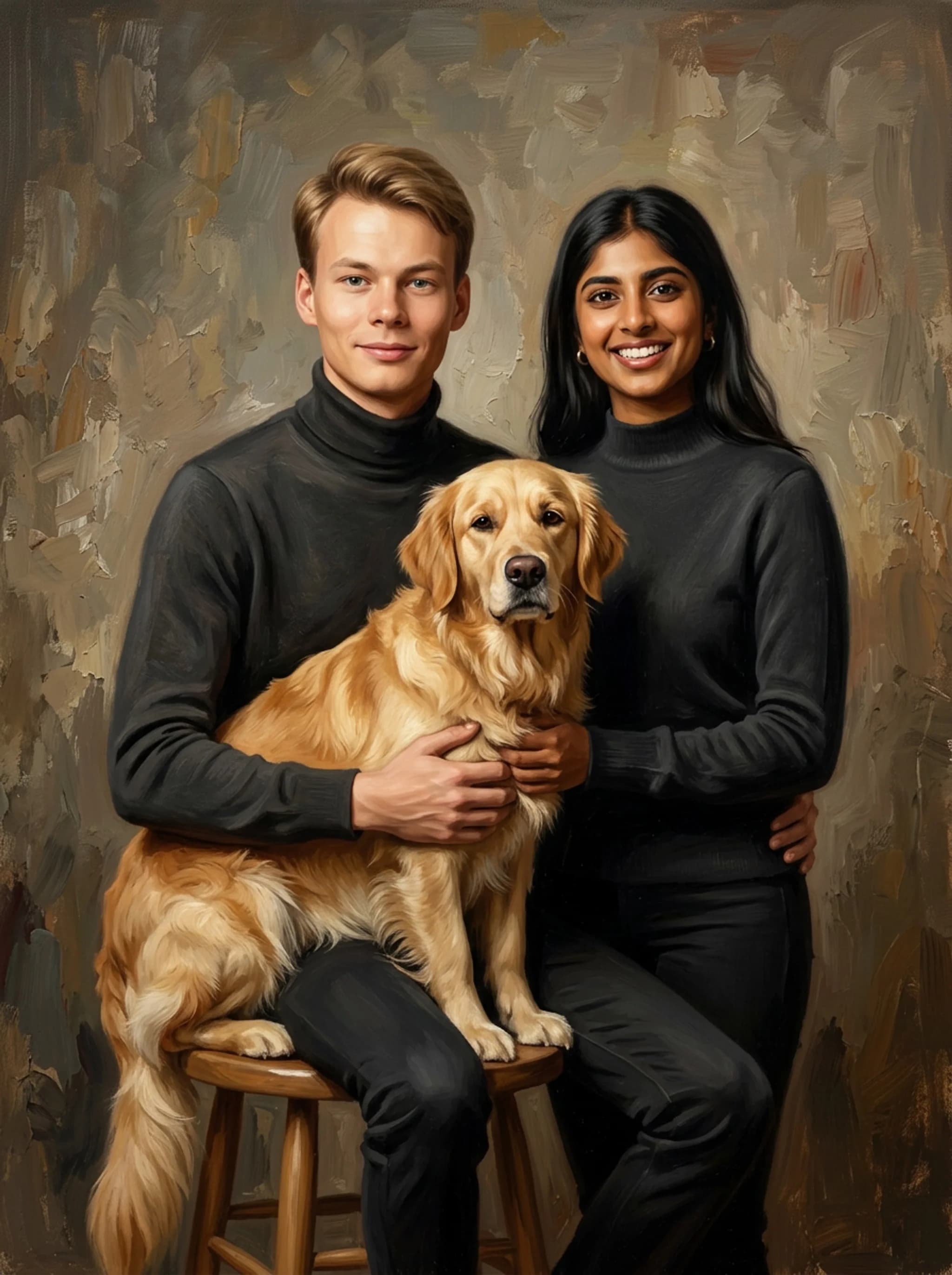
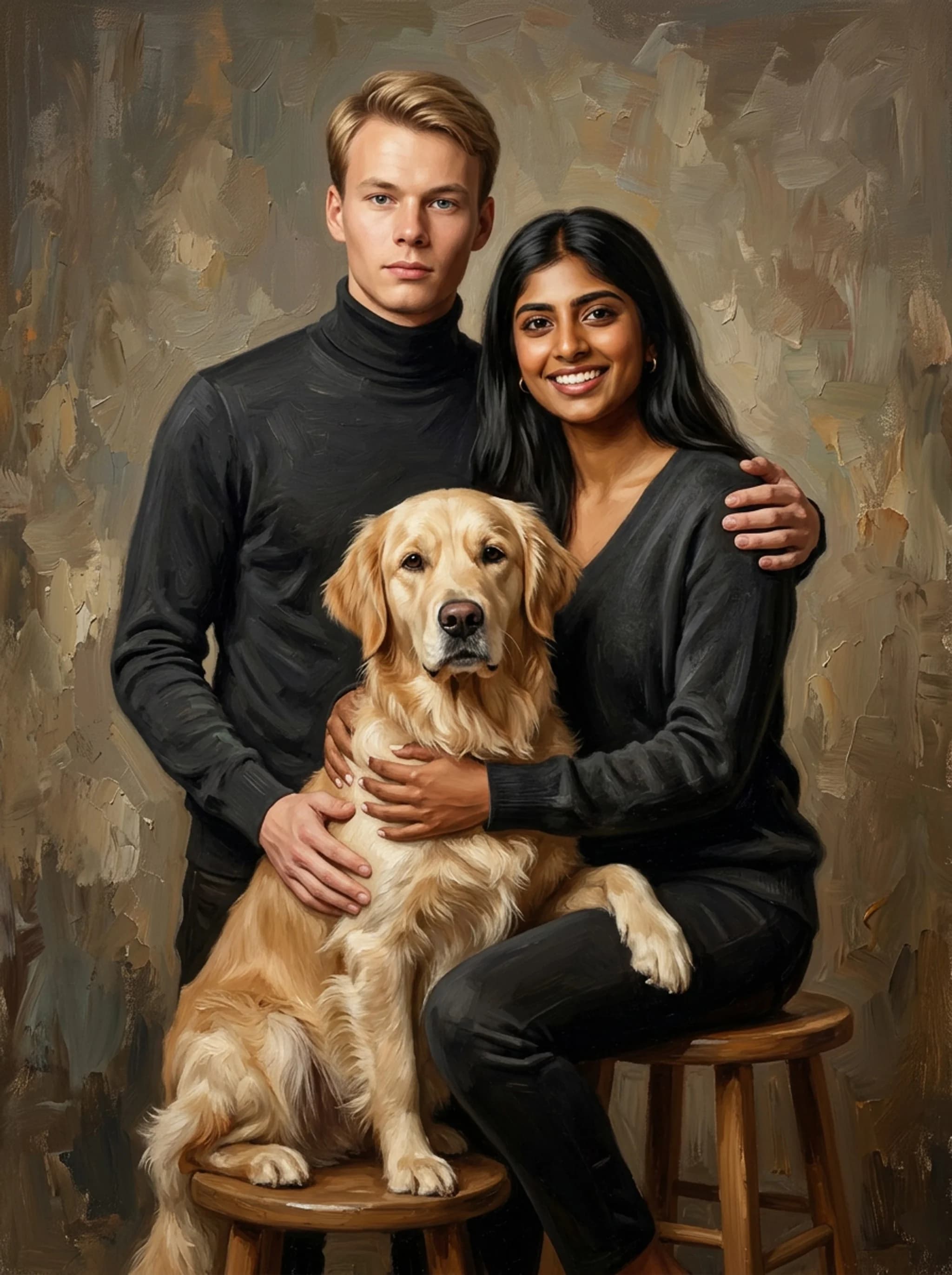
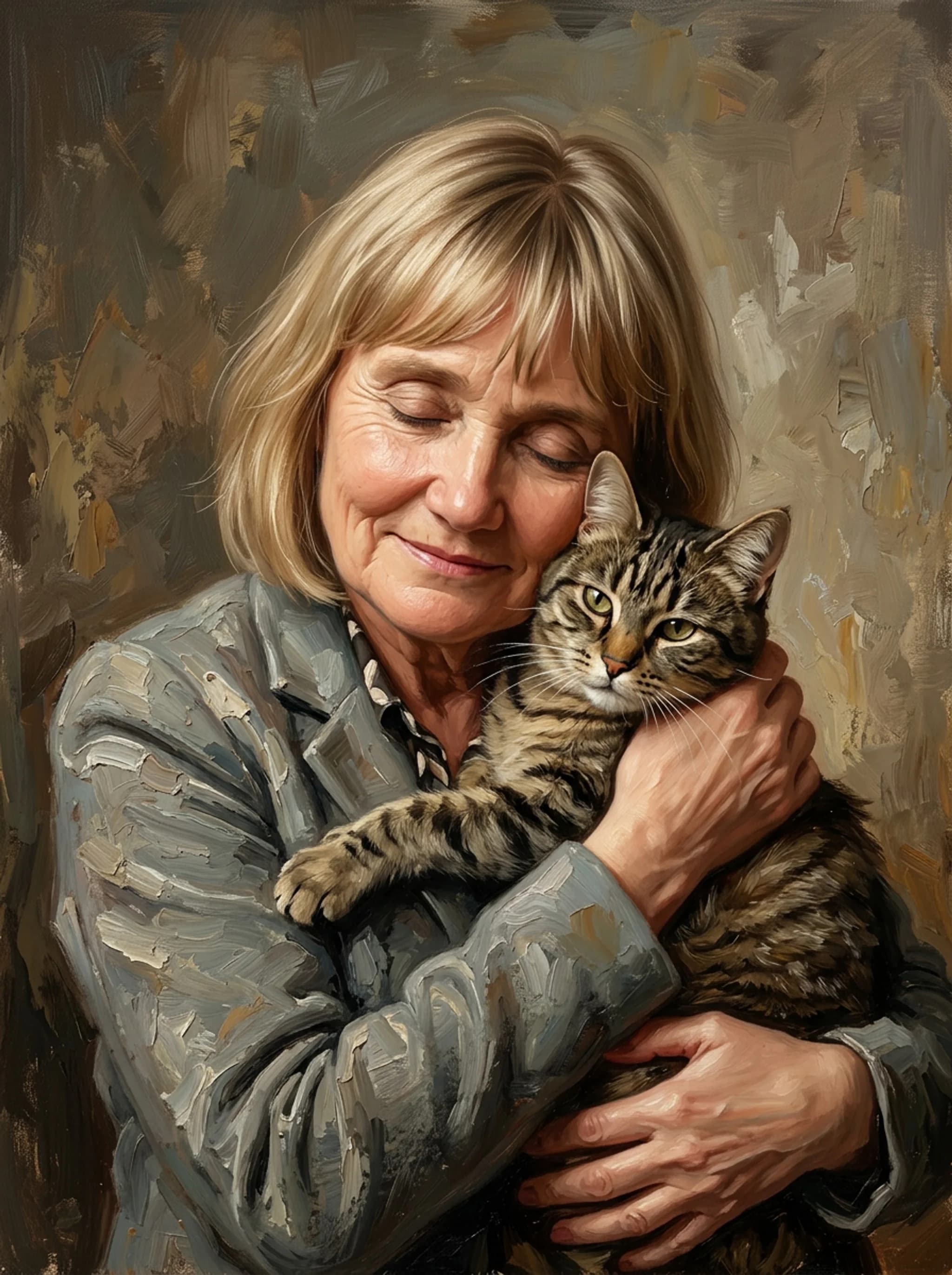
You are staring at hundreds of photos on your phone, trying to find one memorable anniversary or wedding keepsake that will not end up tucked away in a drawer. Buying a custom couple portrait canvas seems simple until you realize half the shops online run a five-dollar automated phone filter over your picture and charge museum-grade rates. Nobly creates personalized couple and family portraits that look like real paintings, available as digital files or gallery-grade canvas prints. This guide breaks down production methods, technical canvas specifications, proofing rules, and pricing benchmarks so you get an heirloom piece worth hanging on your wall.
Custom couple portrait studio benchmark matrix (16x20 gallery canvas)
What people actually search
Intent
custom couple portrait
Topic
custom couple portrait painting
Topic
custom couple portrait illustration
Topic
custom couple portrait etsy
Topic
custom couple portrait or caricature
Topic
personalized couple portrait
Topic
personalised couple portrait
Topic
custom couple photo gifts
Topic
custom couple photo frame
Topic
custom couple photo
Topic
Data reflects current web sources and public studio catalog pricing, checked at publication.
What is the difference between AI filters, digital painting, and physical oils?
You see two studios advertising custom couple portraits online, both showing gorgeous sample photos, but one costs 40 dollars and the other costs 250 dollars. A custom couple portrait canvas is produced through automated AI filters, human digital painting, or physical oils. AI filters automatically smooth photos with software shortcuts, while skilled digital artists manually hand-paint brushstrokes using digital tablets before Giclée printing. Physical oil paintings use genuine wet pigments on raw canvas, costing substantially more in time and labor. Automated filter shops dominate social media feeds. They take your uploaded JPEG, run it through a commercial graphic filter or generative AI script in three seconds, slap it on a thin canvas, and dropship it directly to your door. You get flat textures, plastic-looking skin, weird smudged fingers, and muddy eyes that look lifeless when printed large. True digital painting, by contrast, involves an artist working on a pressure-sensitive tablet, building layers of digital paint, blending skin tones, rendering hair strands, and matching lighting across both subjects.
Practical rule: Avoid any vendor that refuses to show close-up zoom crops of their actual brushwork before you order.
Spotting automated filter dropshippers versus genuine digital artists
Look closely at the hair, pupils, and clothing patterns in sample galleries. Automated filters create an oily, smeared effect where fine details like eyelashes and textile weaves turn into indistinct plastic blobs. If every example in a store gallery has the exact same uniform digital blur across the background, you are looking at an automated batch filter. Legitimate digital artists use distinct brush strokes of varying thickness. They carefully correct facial proportions, adjust head angles, and unify lighting between two different photos. If you are ordering a personalized anniversary gift for your partner, authentic digital painting gives you the richness of oil painting while keeping facial likenesses accurate.
When physical oil on canvas makes sense over digital Giclée
Physical oil paintings created by services like Paint Your Life involve a human artist using real physical wet paint on canvas. This process delivers authentic impasto texture, meaning you can physically feel the raised paint ridges with your fingers. However, physical oils take four to eight weeks to dry and ship, cost anywhere from 250 to 800 dollars for standard sizes, and carry a higher risk of likeness errors that are difficult to correct once dry. Digital Giclée painting gives you the best balance of speed, cost, and visual accuracy. An artist paints the portrait digitally to guarantee exact likeness, then prints it onto heavy canvas using archival inks. You get painterly elegance for roughly a third of the price of wet oil commissions.
Canvas specs that determine whether your portrait lasts fifty years
You hung your new portrait in the living room, and within six months the fabric started sagging in the frame while the vibrant colors turned dull and yellow. Archival longevity for a custom couple portrait canvas requires a poly-cotton blend fabric weighing at least 380 GSM stretched over kiln-dried pine bars. It must be printed with 8-to-12 color pigment-based Giclée inks rather than cheap dye inks, and sealed with a UV-protective archival varnish to prevent fading and sagging over decades. > If a studio will not disclose their canvas GSM or uses cheap dye-based inks, your portrait will begin fading within five years. Most budget print shops cut costs on the structural materials you cannot see from the product mockup. They use 100 percent polyester fabric that feels like slick plastic, cheap particle board stretcher bars that warp when room humidity shifts, and water-soluble dye inks that fade under direct sunlight. Investing in museum-grade physical components ensures your custom piece stays taut, vibrant, and crack-free across decades of display.
Practical rule: Only buy canvas prints built with poly-cotton blends above 380 GSM and kiln-dried solid wood stretcher bars.
Fabric weight (GSM), stretcher bars, and pigment inks
GSM stands for grams per square meter, measuring the density and weight of the canvas fabric. Cheap novelty prints use 200 to 260 GSM synthetic polyester. It stretches out quickly, causing the canvas to ripple across the frame corners within months. Premium studios demand poly-cotton canvas rated at 380 GSM or higher, offering the tactile weave of traditional cotton duck with the structural tension of polyester. Underneath the fabric, kiln-dried pine stretcher bars are mandatory. Kiln drying removes residual moisture from the wood, stopping the frame from bowing or twisting as household humidity rises and falls throughout changing seasons. Pair this frame with Epson UltraChrome Pro Inks or Canon Lucia pigment systems, which utilize 8 to 12 individual color channels instead of standard four-color CMYK dye printing.
Stretcher bar depths and edge wrap styling (0.75-inch vs 1.5-inch)
Canvas frames come in two standard depths: 0.75-inch slim profiles and 1.5-inch gallery depth profiles. Slim 0.75-inch frames are intended for insertion into secondary floating frames. If you plan to hang your canvas bare without an outer frame, a 1.5-inch gallery wrap profile looks far more substantial, projecting off the wall like a true gallery piece. Pay attention to your edge wrap options during checkout. Continuous image wraps bend the outer edges of the portrait around the sides, which can awkwardly slice off an arm, ear, or hair volume. Mirrored edge wraps duplicate the perimeter pixels to cover the sides without cutting into the composition, while solid neutral wraps (such as black, deep charcoal, or soft off-white) create a crisp, intentional finish.
Archival varnishes and humidity protection for living spaces
Uncoated canvas acts like an open sponge, absorbing ambient dust, aerosolized kitchen oils, and moisture from the air. High-end studios spray an acrylic-based, UV-protective archival matte or satin varnish over the dried pigment print. This sealant locks out moisture, filters out damaging ultraviolet wavelengths from nearby windows, and lets you gently wipe the surface with a dry microfiber cloth without scratching the ink.
The two of you, forever.
Upload one photo and see your portrait in 60 seconds. Free preview, no card needed.
How do you prepare and select the right reference photos?
You picked your favorite vacation photo, but once enlarged on canvas, both of your faces look pixelated, dark, and blurry. Prepare your reference photo by choosing a well-lit image shot at eye level with minimal wide-angle lens distortion. The file needs to meet a minimum resolution threshold of 300 PPI at your target print size, exported in the sRGB color profile to avoid muddy color shifts during the CMYK printing conversion. Taking ten minutes to audit your source photos prevents weeks of back-and-forth proof revisions. The artist can only paint the details they can clearly see. If your source photo is a cropped screenshot taken from an old social media feed, the digital artist is forced to guess at eye color, skin undertones, and smile creases.
Practical rule: Never submit a social media screenshot; always export the original uncompressed photo file directly from your camera roll.
The 300 PPI threshold and focal length distortion
Resolution on canvas depends on pixels per inch (PPI). A standard 16x20 inch canvas requires a digital image file measuring at least 4800 by 6000 pixels to achieve crisp 300 PPI Giclée rendering. Printing a file below 150 PPI results in visible jagged edges, stair-stepped lines, and soft facial features that look out of focus from normal viewing distances. Watch out for wide-angle camera distortion, particularly from front-facing smartphone selfies. Wide lenses used close to your face artificially enlarge noses and flatten ears. For the most flattering portrait rendering, choose photos captured with a standard or portrait lens (50mm to 85mm focal equivalent) taken from at least four feet away. If you need inspiration for portraits featuring animals as well, check out our guide on choosing a personalized pet owner portrait.
Lighting, eye contact, and combining separate photos
Natural, indirect daylight is the gold standard for portrait references. Avoid direct overhead midday sun, which creates harsh dark triangles under the eyes and nose, and avoid direct camera flash, which bleaches out skin tone warmth. Soft morning or late afternoon window light reveals natural facial contouring. If you do not have a great joint photo together, reputable custom studios can merge two separate individual photos into one cohesive piece. The key requirement is matching the lighting direction and eye levels. If one person is lit from the left side outdoors and the other is lit from the right side in a dim restaurant, the artist must manually rebuild the lighting structure. When you order a custom couple portrait artwork, human artists manually adjust the color temperature and shadows so both individuals look naturally situated in the exact same room.
Comparing custom couple portrait studios: production, proofing, and pricing
You have dozens of open browser tabs comparing Etsy artists, specialized pet-and-owner brands like Crown & Paw or West & Willow, dedicated print platforms like CanvasPop, and premium hand-painted art ateliers. Choosing a custom couple portrait studio requires balancing production craftsmanship, revision proofing policies, and true turnaround times. Studios vary wildly from budget filter shops on Etsy charging under 40 dollars with zero proofs to premium digital ateliers and high-end physical oil services like Paint Your Life charging upwards of 300 dollars. The biggest variable that separates reliable studios from frustrating ones is their proofing and revision workflow. A shop that prints and ships without sending you a digital proof first is almost always using automated software to maximize profit margins at your expense. Look for studios that provide unlimited digital revisions until you are completely satisfied with the composition.
Practical rule: Never order from a custom portrait vendor that does not include digital proof approvals before printing.
Understanding the studio pricing landscape
To help you evaluate your options objectively, we evaluated standard industry benchmarks across popular custom portrait platforms for a standard 16x20 inch gallery-wrapped canvas. | Studio / Vendor Type | Primary Production Method | Proofing & Revision Policy | Average Base Price (16x20) | Turnaround Time |
:---
:---
:---
:---
:---
Budget Marketplace (Etsy)
Automated Filter / Basic Vector
Usually 0-1 proofs; extra fees for edits
$35 - $65
5 - 9 business days
Pop-Style Studio (West & Willow)
Vector Illustration / Faceless
Proofs on request; limited revisions
$80 - $120
2 - 3 weeks
Hybrid Digital Atelier (Nobly)
Hand-Painted Digital Fine Art
Unlimited revisions before print
$90 - $140
1 - 2 weeks
Custom Canvas Lab (CanvasPop)
Customer Photo Print (No Art)
Digital proof included; no painting
$75 - $110
1 - 2 weeks
| Fine Art Oil Commission (Paint Your Life) | Physical Oil on Raw Canvas | Multi-stage proofs; physical edits | $250 - $450 | 4 - 8 weeks | Budget marketplace sellers often advertise low entry prices but charge hidden add-on fees for high-resolution files, additional figures, background adjustments, and canvas framing.
Why unlimited digital proofing protects your investment
Artistic interpretation is subjective. You might feel a smile line is too pronounced or that your partner hair color looks slightly too dark under indoor lighting. Studios with generous proofing systems provide a dedicated preview portal where you can highlight specific areas, leave notes, and request adjustments before the file ever touches a printer. Studios with restrictive proofing policies usually print your order automatically after 24 hours if you do not respond to an email notification. Choose studios that wait for your explicit written approval before stretching the canvas over wooden bars.
How to display and care for your custom couple portrait canvas
You unboxed your finished portrait, inspected the canvas texture, and approved the brushwork likeness. Now you need to hang it properly so it complements your room layout and stays protected from environmental wear. Display your custom couple portrait canvas by hanging it at standard eye level (57 to 60 inches on center from the floor) away from direct HVAC vents and unshaded southern windows, dusting it occasionally with a soft dry feather duster or microfiber cloth. Finding the right focal point transforms a custom canvas from a simple picture into the visual anchor of your room. Whether you are hanging it in the primary bedroom above the headboard, over the living room mantel, or in a curated hallway gallery, proper placement makes all the difference.
Practical rule: Hang your canvas so its vertical center point sits exactly 58 inches above the finished floor.
Sizing the canvas correctly for your wall space
A common mistake couples make is ordering an 8x10 or 11x14 inch canvas for a large living room wall. Small sizes get lost in open spaces and look cluttered rather than intentional. As a general rule of thumb, artwork should occupy between 60 percent and 75 percent of the available open wall width, or roughly two-thirds the width of the furniture piece sitting below it. For a standard sofa measuring 84 inches wide, choose a 24x36 inch canvas or a matching diptych pair. For bedroom headboards or hallway walls, a 16x20 or 18x24 inch canvas provides balanced presence without overwhelming the room architecture.
Cleaning and long-term environmental protection
Never use chemical glass cleaners, damp water rags, or abrasive paper towels on an archival canvas. Moisture can seep into the micro-pores of the ink layer, causing clouding or lifting the protective varnish. Simply brush the surface every few months using a soft dry brush to prevent dust build-up. Keep your portrait away from high-moisture zones such as small bathrooms with unvented showers, and avoid hanging it directly above active heat radiators. With basic care, a Giclée pigment print will maintain its original color saturation for generations. When you are ready to turn your favorite memory into a gallery-worthy piece, order your personalized couple portrait canvas. You get personal artist attention, museum-grade poly-cotton canvas, and complete proof approval before anything gets printed.
FAQ
How long does a custom couple portrait canvas take to arrive?
A digital custom couple portrait typically takes 2 to 5 business days for initial proof creation, followed by 3 to 7 business days for physical Giclée printing, stretching, and domestic shipping. If you commission a 100 percent physical oil painting, expect the drying and shipping process to take 4 to 8 weeks.
Can the artist combine two separate photos into one couple portrait?
Yes, skilled digital artists can merge two individual photos into a single couple portrait. To get the best result, submit photos with similar eye levels, head angles, and natural lighting directions so the combined piece looks natural.
What resolution does my photo need to be for a canvas print?
Your reference photo should have a resolution of at least 300 PPI (pixels per inch) at the target output size, which translates to roughly 4800 by 6000 pixels for a 16x20 inch canvas. Avoid using compressed screenshots from social media messaging apps, as they lack the fine detail needed for sharp printing.
What is the difference between 0.75-inch and 1.5-inch canvas depth?
A 0.75-inch slim canvas is designed to be placed inside a decorative floating frame, while a 1.5-inch gallery depth canvas is built with sturdy, heavy-duty stretcher bars meant to hang directly on the wall without an outer frame.
Do I get to approve the portrait before it gets printed?
Reputable custom art studios provide a digital proof approval stage where you can review the artwork and request unlimited revisions to facial likeness, hair, and coloring before the canvas is printed and stretched.
The two of you, forever.
Upload one photo and see your portrait in 60 seconds. Free preview, no card needed.