Pick up a museum print and a cheap poster. The difference is obvious before you even look at the image. Weight. Texture. The way it feels in your hands. That difference isn't cosmetic, it determines whether your print looks the same in ten years or in ten months.
What "Archival" Actually Means
Archival paper is acid-free and lignin-free. Lignin is the compound in wood pulp that yellows and becomes brittle over time, it's why old newspapers turn brown. Acid accelerates the process. Remove both, and paper can last a century or more without visible degradation.
Our prints use 250gsm uncoated paper. That's heavy, about the weight of a thick postcard. It lies flat in a frame without buckling.
Pigment Inks vs. Dye Inks
Dye-based inks are vibrant but fade noticeably within a few years, especially in sunlight. Pigment-based inks, which is what we use, bond to the paper surface and resist fading for decades.
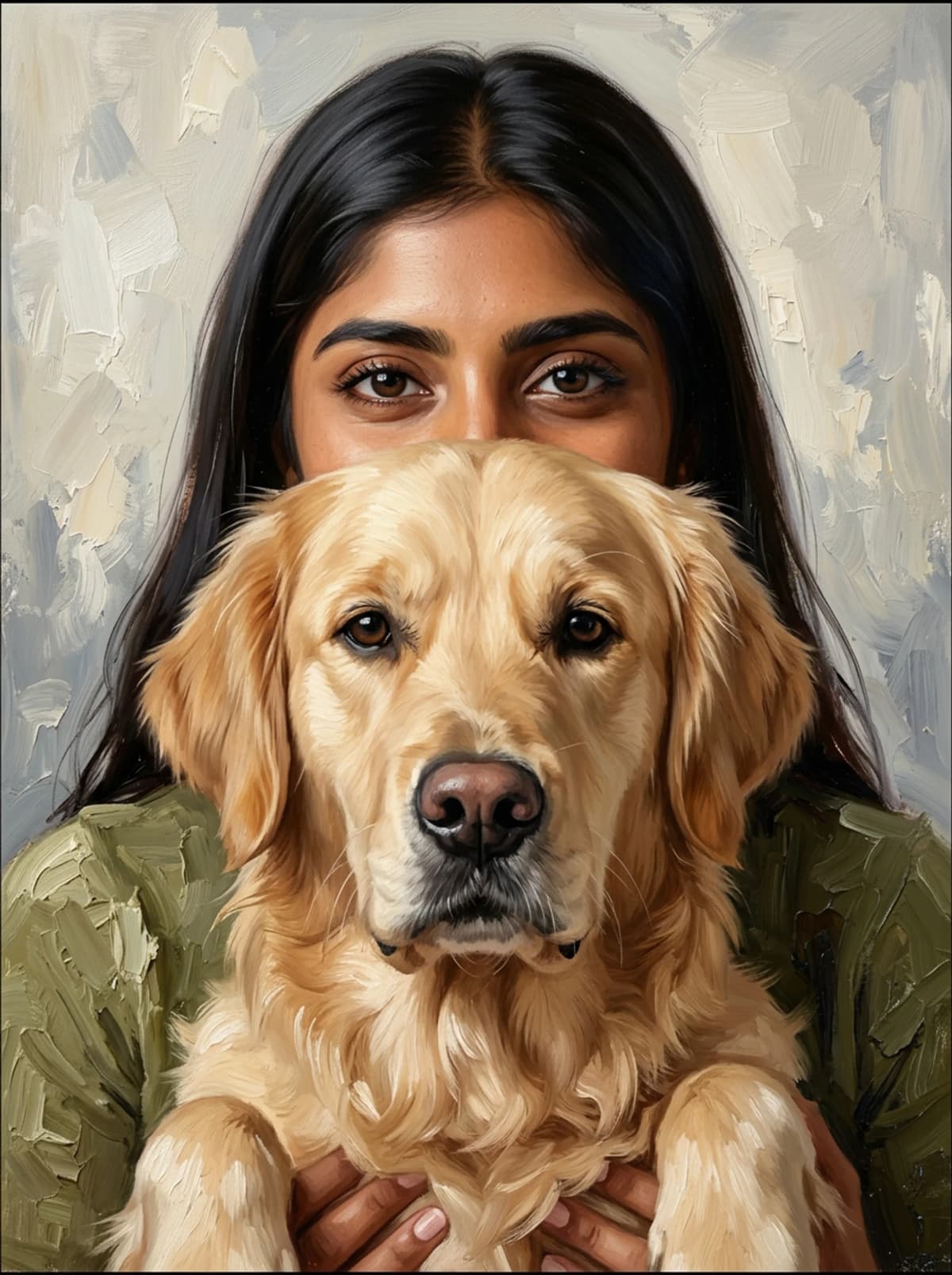
The blacks stay deep. The warm tones stay warm. Your pet's eyes keep their exact color.
The Off-White Choice
Our paper has a warm, slightly off-white tone. Not bright optical white. This is deliberate. Classical paintings live in a warm color world, ambers, siennas, deep reds, gold. Bright white paper would fight those tones. The warm base works with the palette.
Why This Matters
A pet's life is shorter than ours. A portrait printed on paper that lasts is one of the few physical things that endures, not trapped on a phone, not lost in a cloud backup, but right there on your wall. Visible. Permanent.
That's worth better paper.