For a lot of kids, losing a pet is the first time death is real. Not something in a movie or a far-off story. Something that happened in their house, to someone they loved.
How you handle this with them matters. Not because you can make it hurt less, you can't, but because the way they learn to grieve now shapes how they handle loss for the rest of their life.
Use the real words
Don't say "went to sleep" or "went away" or "we had to let them go." Children take things literally. "Went to sleep" can make bedtime terrifying. "Went away" sounds like they might come back.
Say "died." It's a hard word to say. But it's the right word.
You can say: "Our dog got very sick and her body stopped working. She died. That means she's not coming back, and that's really sad, and it's okay to feel really sad about it."
Simple. Honest. Clear.
Don't hide your grief
A lot of parents try to hold it together in front of their kids. That's understandable. But kids who see their parents cry learn something important: grief is something you can feel and survive. It doesn't have to be frightening. It's just part of loving.
You're allowed to say "I'm sad too. I loved them too." You're allowed to cry together.
Let them feel whatever they feel
Children's grief doesn't always look like adult grief. Your child might cry for an hour and then ask for a snack. They might seem totally fine and then fall apart three days later. They might not cry at all, which doesn't mean they're not affected.
Don't push them to feel a certain way. Don't tell them to cheer up. Don't tell them not to cry. Just stay close and let them know that whatever they feel is okay.
Some kids want to talk about the pet constantly. Let them. Some want to draw pictures or make something. Encourage that too.
Answer the hard questions honestly
"Where did they go?" You can answer this according to your beliefs, and it's okay to say you're not sure. "I don't know exactly, but I know they're not in pain anymore" is a true thing you can say.
"Are you going to die? Am I going to die?" Yes, eventually, but not for a very long time. Reassure them clearly without making promises no one can keep.
Do something together to remember them
Children often do better with concrete rituals. Plant a flower in the garden. Make a drawing of them. Look through photos together. Let your child help decide.
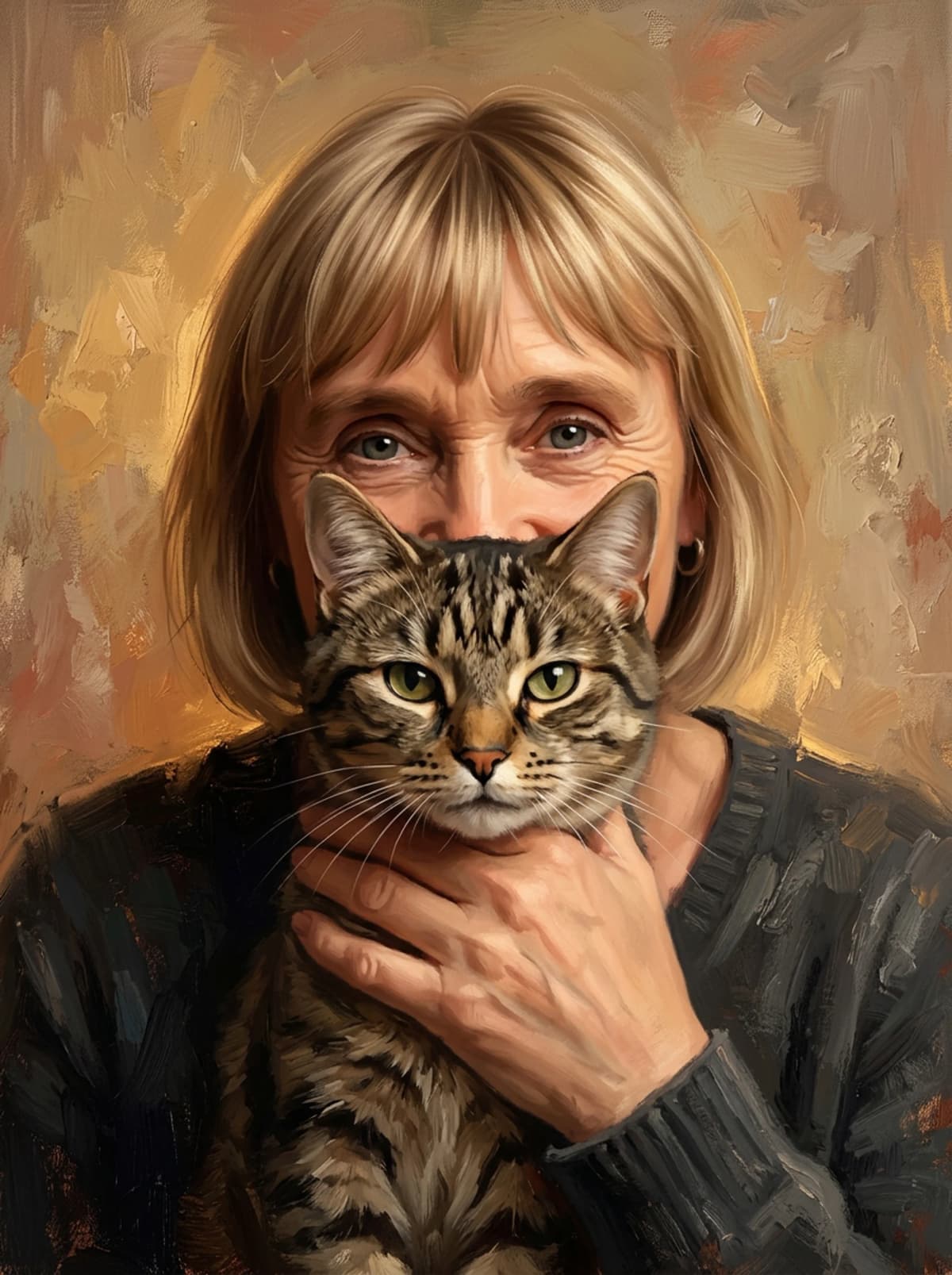
Having something visible, a photo on a shelf, or a portrait on the wall, can be meaningful for kids specifically. It gives them somewhere to look when they miss their pet. Something that says: they existed, we loved them, and it's okay to remember.
Some of our most meaningful portraits have been made by parents who wanted their child to always have a beautiful image of the pet they grew up with. The pet who was there when they learned how to love something outside themselves.
That's not a small thing. That's the beginning of everything.